Blisters and foot pain are among the most common reasons runners and hikers cut workouts short or abandon ambitious goals. For women logging miles on roads, trails, or multi-day treks, understanding how footwear, biomechanics, and daily habits interact can mean the difference between finishing strong and limping home.
How we choose
This roundup highlights eight books that address foot health from distinct angles: field-ready injury treatment, movement-based biomechanics, minimalist running transition, and narrative inspiration. Whether you need a packable reference for your drop bag or a home program to address recurring hot spots, these titles cover the practical spectrum.
Our 8 Picks

Fixing Your Feet: Injury Prevention and Treatment for Athletes
What it is
A comprehensive athlete’s foot-care manual covering blister and injury prevention, footwear selection, and hands-on treatment protocols.
Why it's worth it
The seventh edition brings together updated guidance on taping, padding, and aftercare from a podiatrist and an experienced endurance runner. It walks readers through assessing hot spots early, choosing shoes and socks for specific terrain, and assembling a personal foot-repair kit. Practical to flip through before a first ultramarathon or to keep in a drop bag, the book is well suited to runners and hikers who want a single field-ready reference they can revisit season after season.
Caveat
The dense, textbook-style layout may feel overwhelming for readers seeking a quick, image-heavy fix.
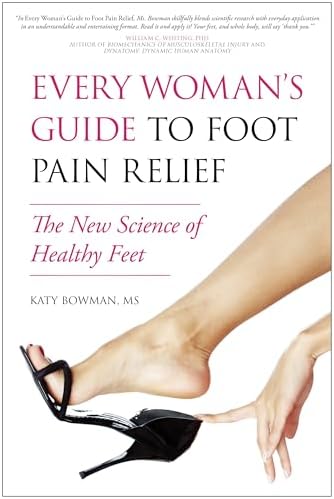
Every Woman's Guide to Foot Pain Relief: The New Science of Healthy Feet
What it is
A women-focused guide that explores foot pain through the lens of biomechanics, daily habits, and restorative movement.
Why it's worth it
Katy Bowman explains how modern footwear and walking surfaces alter foot anatomy and contribute to issues such as bunions, plantar fasciitis, and friction hotspots. The book offers alignment-based exercises and lifestyle adjustments tailored to women’s foot structure and common footwear choices. It is a good fit for walkers and hikers who want to address the underlying mechanics behind recurring blisters and forefoot pain before logging high mileage.
Caveat
This title targets chronic pain patterns rather than providing immediate blister treatment or on-trail first-aid steps.

Happy Feet Happy Hike: The Ultimate Hiking Guide to Eliminate Foot and Ankle Injuries
What it is
A hiking-specific handbook dedicated to preventing foot and ankle injuries through proactive preparation, gear choices, and on-trail care.
Why it's worth it
Jessica Llach details blister-taping patterns, sock layering systems, and daily foot-strengthening routines designed for multi-day hikes. She walks readers through a pre-hike foot-check process and offers troubleshooting for hot spots before they turn into full blisters. The advice is especially relevant for first-time thru-hikers or weekend backpackers who need practical, packable strategies rather than general running theory.
Caveat
The techniques are written for hikers and may require adaptation for the repetitive, same-shoe motion of road running.

The Barefoot Running Book Second Edition: A Practical Guide to the Art and Science of Barefoot and Minimalist Shoe Running
What it is
A practical manual that teaches gradual transition drills for adopting barefoot or minimalist shoe running with a lighter, lower-impact stride.
Why it's worth it
Jason Robillard breaks down foot-strengthening exercises and form cues that reduce the scuffing and shear forces linked to blister formation. The second edition adds more guidance on navigating different surfaces and adjusting pace while the skin and soft tissues adapt. It is a solid companion for a road runner or trail runner who wants to overhaul their form in small, measurable steps rather than chase a quick fix.
Caveat
An overly abrupt switch to barefoot running without following the gradual progression can result in new foot strain, so discipline with the program is essential.

ChiRunning: A Revolutionary Approach to Effortless, Injury-Free Running (Chi)
What it is
A technique-focused running guide that blends principles of Tai Chi with modern biomechanics to promote efficient, low-impact form.
Why it's worth it
The Dreyers teach a relaxed midfoot strike and a forward-leaning posture that, according to the brand, helps distribute landing forces more evenly across the foot. This reduces the hot spots and friction that often precede blisters on long runs. Runners preparing for a half marathon or ultra distance will find detailed body-scan cues and pace-management drills they can integrate into their existing training plan without overhauling their gear.
Caveat
The approach asks runners to adopt an entirely new posture habit, which can feel awkward for several weeks before becoming second nature.

Barefoot Running Step by Step: Barefoot Ken Bob, the Guru of Shoeless Running, Shares His Personal Technique for Running with More Speed, Less Impact, Fewer Injuries and More Fun
What it is
A hands-on guide to barefoot running form that focuses on landing with bent knees and relaxed feet to minimize impact and skin irritation.
Why it's worth it
Ken Bob Saxton translates decades of shoeless running into a series of drills, including a “quiet-foot” landing technique that directly addresses the root cause of friction blisters. The book also covers tweaks for uphill and downhill running and how to read the body’s early warning signs on pavement versus trail. It is a natural next read for a runner already comfortable with minimalist shoes who wants to fine-tune sensitivity and cadence.
Caveat
The playful, conversational style and emphasis on fully unshod running may not appeal to someone who plans to keep wearing cushioned shoes for most of their miles.

Simple Steps to Foot Pain Relief: The New Science of Healthy Feet
What it is
A movement-based guide that tackles common foot ailments by helping readers restore natural foot alignment and strength.
Why it's worth it
Katy Bowman’s program addresses the mechanical patterns behind plantar fasciitis, Morton’s neuroma, and hammer toes, which often provoke compensatory gait changes that increase blister risk. The exercises require no special equipment and can be done at home between runs or hikes. Athletes who log high weekly miles and feel nagging foot fatigue will find it useful as a prehabilitation tool to keep feet resilient through training cycles.
Caveat
The book emphasizes long-term structural change; it does not include immediate blister-popping protocols or wound-care instructions.
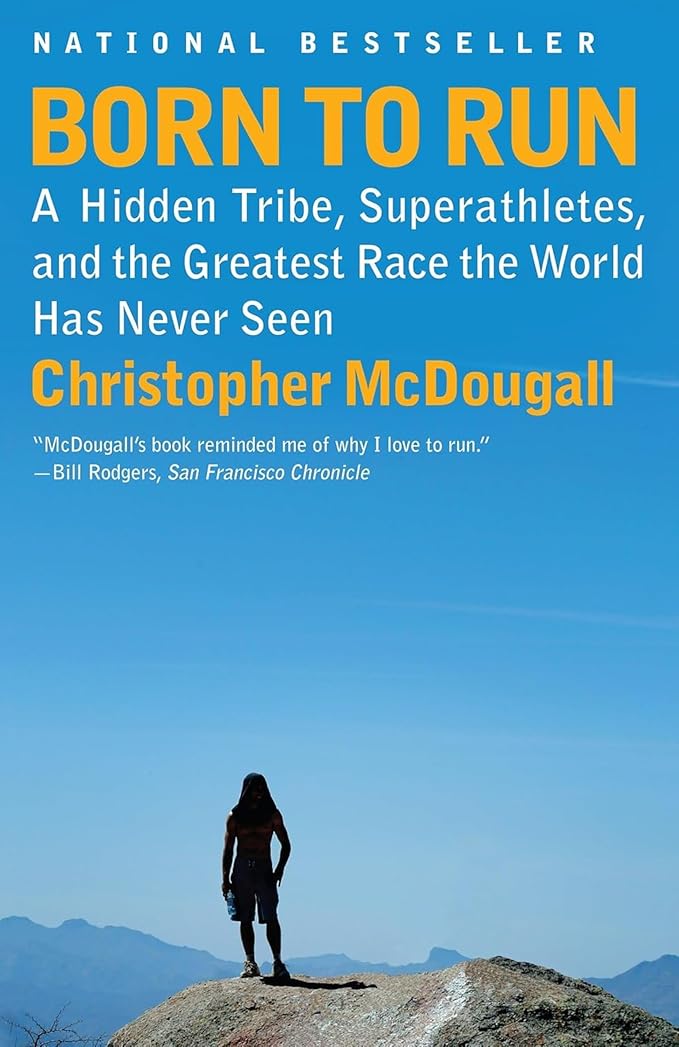
Born to Run By McDougall Christopher
What it is
A vivid narrative that explores how the Tarahumara tribe’s minimal footwear and relaxed running style enable astonishingly blister-free ultradistance running.
Why it's worth it
Christopher McDougall weaves storytelling with real-world observations about running biomechanics, making a compelling case that much of modern foot injury stems from overbuilt shoes. The book can shift a runner’s mindset about what their feet are capable of and encourage experimentation with lighter footwear and a softer stride. For a marathoner or thru-hiker looking for motivation to rethink their approach, it provides a fresh perspective rather than a step-by-step protocol.
Caveat
This is narrative nonfiction, not an instruction guide; readers who want a structured program should combine it with a practical technique book.
How to choose
How to choose the right blister-prevention and foot-care books for women runners and hikers
Takeaway
Foot health is cumulative: the right book depends on whether you are solving an immediate problem, rewiring long-term habits, or seeking permission to experiment. These eight titles cover each phase without overlapping so heavily that one replaces another. Start with the gap in your own preparation, and build from there.