Skincare shelves overflow with promises: clinical results, clean formulas, luxury worth the markup. Yet the fine print rarely explains what's actually inside the bottle—or how those claims get manufactured in the first place. For anyone tired of trusting labels at face value, a growing shelf of investigative books offers tools to read between the lines.
How we choose
This roundup highlights eight titles that approach beauty industry skepticism from different angles: toxicology research, activist campaigns, dermatologist critiques, insider memoirs, and historical exposés. Each serves a distinct reader need—whether you want to decode ingredient lists, understand pricing markups, or trace how today's marketing tactics were invented a century ago.
Our 8 Picks
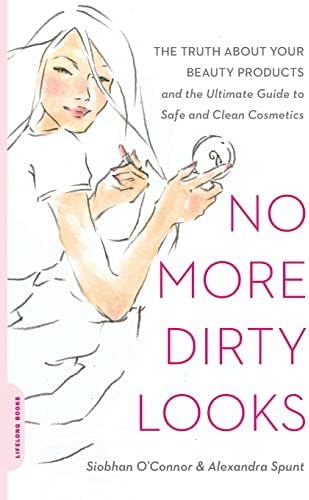
No More Dirty Looks: The Truth about Your Beauty Products--and the Ultimate Guide to Safe and Clean Cosmetics
What it is
A book that examines toxic ingredients in everyday cosmetics and offers a practical guide to cleaner alternatives.
Why it's worth it
It breaks down which common beauty-product chemicals have been linked to hormone disruption or irritation, then shows how to decode ingredient labels and swap for safer options without a complete routine overhaul. The authors include a directory of clean brands and DIY recipes, so you can act on the information immediately. Well suited to a shopper who wants to understand what ‘paraben-free’ or ‘fragrance’ really means before her next purchase.
Caveat
The clean-brand landscape has evolved since publication, so some recommended products may have changed formulations or availability.

Not Just a Pretty Face: The Ugly Side of the Beauty Industry
What it is
An investigative book that chronicles the campaign for safer cosmetics through the lens of the environmental health movement.
Why it's worth it
It details how activists pressured major brands to remove chemicals like phthalates and formaldehyde-releasing preservatives, giving you a behind-the-scenes look at industry resistance and reformulation timelines. The narrative connects product safety to broader environmental justice issues, making it a good fit for readers who want the political backstory behind ingredient bans. Real company names and internal documents are cited, so you can track which manufacturers changed their practices and which fought back.
Caveat
The focus is on the activist movement rather than a product-by-product safety breakdown, so it reads more as an exposé narrative than a buying guide.

Toxic Beauty: How Cosmetics and Personal-Care Products Endanger Your Health... and What You Can Do About It
What it is
A toxicologist-led investigation into the health risks of ingredients found in everyday personal-care products.
Why it's worth it
It compiles peer-reviewed studies on the carcinogenic, neurotoxic, and endocrine-disrupting potential of specific chemicals used in shampoos, lotions, and cosmetics. The authors grade ingredients by risk level and explain why regulatory loopholes allow these substances to remain in formulations sold in the U.S. A good fit for a shopper who wants the scientific evidence behind the ‘toxic’ label before she switches products.
Caveat
The tone can be alarmist, and some cited studies may not account for real-world exposure levels.

Skincare Hoax: How You're Being Tricked into Buying Lotions, Potions & Wrinkle Cream
What it is
A dermatologist’s scrutiny of marketing claims behind anti-aging creams, serums, and skincare devices.
Why it's worth it
It evaluates whether ingredients like retinol, peptides, and hyaluronic acid can actually deliver what the packaging promises, distinguishing formulations with plausible data from those built on hype. The author explains why price and luxury branding don’t correlate with performance, and she outlines a minimal routine based on evidence. Well suited to a budget-conscious shopper who has spent on ‘clinically proven’ serums and wants to know which actives are worth paying for.
Caveat
The book doesn’t offer a comprehensive product directory, so you’ll need to apply its principles yourself when browsing aisles.

Don't Go to the Cosmetics Counter Without Me
What it is
An extensive, product-by-product cosmetics review book now in its 8th edition.
Why it's worth it
It applies consistent ingredient-analysis criteria to thousands of skincare and makeup products, rating them for efficacy and irritancy without accepting brand sponsorships. The guide explains which formulations duplicate expensive department-store items at lower price points and flags products that contain problematic fragrance or alcohol concentrations. A good fit for the shopper who wants a reference that tells her flatly whether a $68 moisturizer is any better than a $18 drugstore version.
Caveat
The 8th edition reflects the market at its publication date, so very recent launches won’t be covered.

Cosmetics Unmasked: Your Family Guide to Safe Cosmetics and Allergy-Free Toiletries
What it is
A reference guide that decodes cosmetic ingredients and identifies those likely to trigger allergies or skin reactions.
Why it's worth it
It gives easy-to-scan tables so you can check whether a shampoo or foundation contains common irritants, comedogenic oils, or hidden fragrance compounds. The authors also suggest allergen-aware product alternatives across categories, making it practical for someone who suspects her breakouts or rashes are ingredient-driven. Suited to a shopper who wants to cross-reference her current routine against a family-safe ingredient list.
Caveat
The edition is older, so contemporary indie and clean brands won’t appear in the product suggestions.

The Dark Side of Beauty: Confessions of a High-End Beauty Insider Who Saw Too Much
What it is
A revealing account from a former beauty-industry insider that details the hidden practices behind luxury product manufacturing and marketing.
Why it's worth it
It discloses how premium brands set prices well beyond ingredient cost and describes the environmental and labor trade-offs that happen before a cream reaches the shelf. Because the author shares internal anecdotes and supplier relationships, you get a rare view of what the glossy campaigns leave out. Well suited to a shopper who wants to understand the supply-chain and markup realities that make her $80 moisturizer possible.
Caveat
The book is brief at 121 pages and focuses on the author’s personal experience rather than a systematic product analysis.

Ugly Beauty: The Ugly Face of the Beauty Business – A Dual Biography of Legendary Founders Helena Rubinstein and Eugène Schueller
What it is
A dual biography that examines how the founders of two cosmetics empires built the modern beauty industry with aggressive marketing and political maneuvering.
Why it's worth it
It traces the roots of consumer manipulation back to the early 20th century, showing how Rubinstein and Schueller invented practices like pseudo-scientific advertising and planned obsolescence for beauty products. By understanding the origin of today’s marketing tactics, you’re better equipped to spot them in current campaigns. A good fit for a reader interested in the historical blueprint that still shapes the claims on her serum bottle.
Caveat
This is a historical narrative, not a practical buying guide; it won’t help you compare today’s ingredient lists.
How to choose
How to choose the right books that reveal the truth behind beauty industry marketing claims
Takeaway
No single book captures every angle of beauty industry skepticism, but together these eight cover the major entry points: science, activism, clinical critique, insider testimony, and history. The right choice depends on whether you want to change what you buy, understand why you want it, or both.