Choosing a yoga mat involves balancing cushioning, grip, material, and portability based on your practice. Whether you prefer thick support for joint comfort, a grippy surface for hot yoga, or a lightweight mat for travel, the right option can enhance your experience.
How we choose
This list covers a range of mat types—from thick foam for home practice to natural rubber for studio use and foldable mats for on-the-go routines. Each style suits different preferences and needs.
Our 8 Picks

Gaiam Essentials Thick Yoga Mat Fitness and Exercise Mat with Easy-Cinch Yoga Mat Carrier Strap, 72 Inch x 24 Inch x 2/5 Inch Thick
What it is
A thick 10mm yoga and fitness mat with a carry strap, intended for cushioned home practice, Pilates, and floor work.
Why it's worth it
This mat provides ample cushioning for knees, wrists, and hips during floor exercises and stretching. The textured surface and included strap add practicality for home use. It is best for beginners or anyone seeking extra joint comfort during seated postures and lower-impact sequences.
Best for
Beginners or anyone
Caveat
The plush foam feel is less stable than thinner performance mats for advanced balance poses.

JadeYoga Harmony Yoga Mat, Durable and Thick Gym Fitness Mat, Non-Slip Natural Rubber Yoga Mat for Home Exercise, Stretching, Pilates and Meditation
What it is
A natural rubber yoga mat with an open-cell texture, designed for grip during studio and home practice.
Why it's worth it
This mat is best for practitioners who want a stable surface that helps hands and feet stay secure during flows. The 3/16-inch thickness provides cushioning for regular use without feeling overly soft. The open-cell surface is designed to provide grip, and JadeYoga states that it becomes more secure with use.
Best for
Its grippy open-cell rubber surface
Caveat
Natural rubber has a distinct scent at first and is not suitable for people with latex sensitivities.

Manduka eKO Lite Yoga Mat 71 Inch, 4mm Natural Rubber Eco-Friendly Yoga Mat with Soft Textured Surface
What it is
A 4mm natural rubber yoga mat with a textured surface, designed for eco-conscious studio practice.
Why it's worth it
This mat is best for practitioners seeking a natural rubber alternative to standard PVC mats. The 4mm thickness offers cushioning for regular use while remaining lighter than denser mats. The textured surface is intended to provide grip during poses.
Best for
Regular use but lighter to carry than dense professional mats
Caveat
It is thinner than cushioned mats, so sensitive knees may need additional support.

Manduka eKO SuperLite Yoga Mat 71 Inch, 1.5mm Natural Rubber Foldable and Travel Friendly Yoga Mat
What it is
A thin 1.5mm natural rubber yoga mat that folds for easy packing.
Why it's worth it
This mat is best for travellers who want a personal, grippy surface for practice on the go. It can be used on its own or layered over studio mats for a cleaner surface. The natural rubber is designed to provide grip even when folded.
Best for
Yogis who want to maintain a practice
Caveat
At 1.5mm, this mat offers minimal cushioning and is best for portability over comfort.

Liforme Original Yoga Mat with Free Yoga Bag, Patented Alignment System, Warrior-Like Grip, Non-Slip, Eco-Friendly and Biodegradable
What it is
A yoga mat with etched alignment markers, a grippy surface, and a carry bag.
Why it's worth it
This mat is best for practitioners who want visual cues for hand, foot, and body positioning during flows. The alignment markers are permanently etched into the mat surface. The mat also offers a grippy texture and generous dimensions for comfortable practice.
Best for
Practitioners
Caveat
This mat is more expensive than basic options, so it may not suit casual beginners.

Gaiam Cork Yoga Mat, Natural Sustainable Cork, Non-Toxic TPE Rubber Backing, Great for Hot Yoga and Pilates, 68 Inch x 24 Inch x 5mm
What it is
A cork-topped yoga mat with a TPE backing, designed for hot yoga and studio use.
Why it's worth it
This mat is best for hot yoga practitioners because cork surfaces are designed to become more grippy as they absorb moisture. The TPE backing provides a non-slip base on floors. The natural cork texture offers a distinctive feel compared to foam mats.
Best for
Warmer sessions
Caveat
Cork can feel firm under knees, and the brand recommends lightly misting it with water at the start of dry-handed practice.
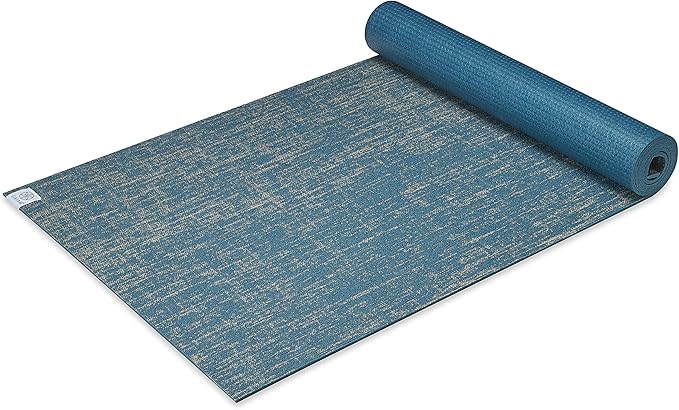
Gaiam Jute Yoga Mat, Lightweight 5mm Sustainable Jute Performance Yoga Mat for Yoga, Pilates and Floor Exercises
What it is
A 5mm jute-blend yoga mat designed for moisture absorption and everyday practice.
Why it's worth it
This mat is best for practitioners who prefer a natural, textured surface over smooth rubber or PVC. The jute material is intended to absorb moisture during practice. The 5mm thickness offers cushioning for yoga and Pilates.
Best for
Practitioners
Caveat
The woven texture may feel rough on sensitive skin compared to smooth mats.
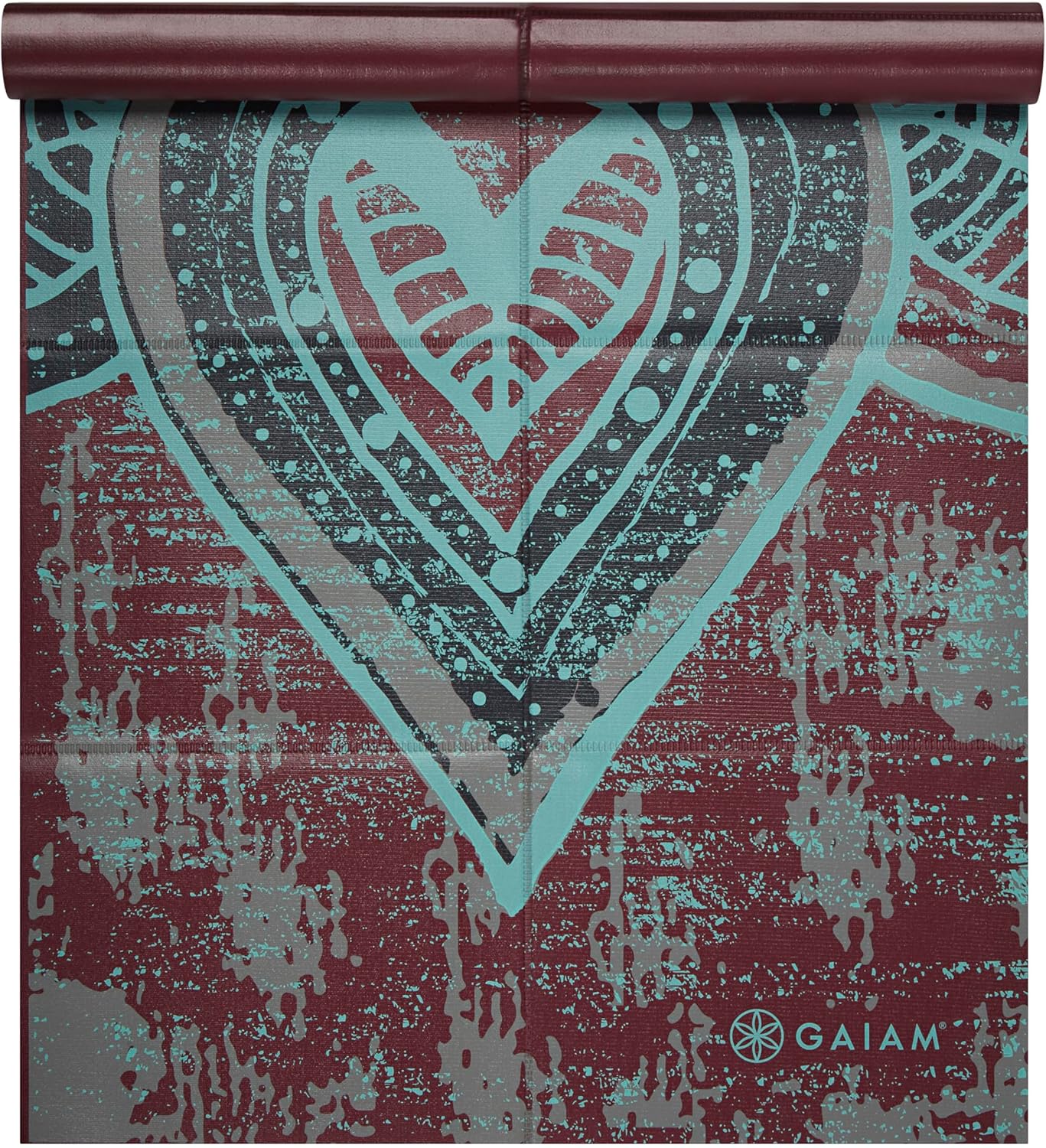
Gaiam Yoga Mat Folding Travel Fitness and Exercise Mat, Foldable Yoga Mat for Yoga, Pilates and Floor Workouts, 68 Inch x 24 Inch x 2mm
What it is
A foldable 2mm yoga mat for travel and compact storage.
Why it's worth it
This mat is best for commuters and travellers who need a lightweight surface that fits in a bag. It can be used alone for low-impact stretching or placed over studio mats for a personal layer. The foldable design makes it easy to pack without rolling.
Best for
Wants a lightweight practice surface
Caveat
At 2mm, it provides minimal cushioning and is not suited for sequences with prolonged kneeling.
How to choose
How to choose the right yoga mats for home practice and studio use | similar edit roundup
Takeaway
The right yoga mat supports your practice style, whether you prioritize cushioning, grip, or portability. Identify your main needs—home comfort, studio stability, or travel ease—and choose accordingly to get the most from each session.